KLEVER: AI-supported microscopy in oncology
- Topics: Medical Technology, Interaction, Artificial Intelligence, Health, and UX Research
- Key Actors: Surgeons, Endoscopists, and Assistant Doctors
- Outputs: Concept, Product Vision, and Prototype
- Partners: Universitätsklinikum Würzburg, Julius-Maximilians-Universität Würzburg
- Timespan: November 2025 – November 2029
Funded by the German Federal Ministry of Research, Technology and Space (BMFTR)
How can new imaging technologies and AI help surgeons determine tumor margins more precisely during surgery, preserve healthy tissue and improve patients’ quality of life after the procedure?
Making the invisible visible
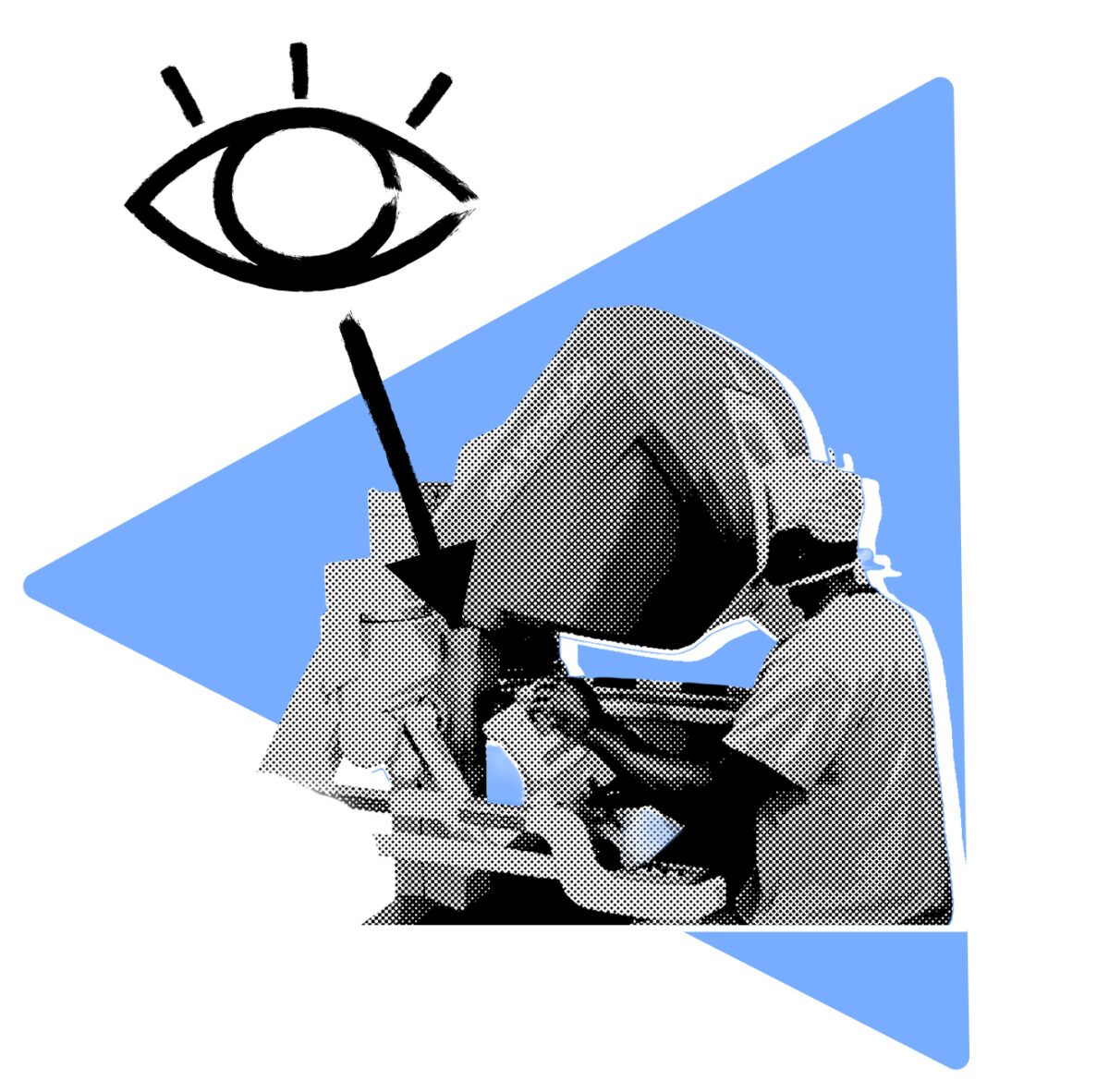
In the KLEVER project, we address one of the central challenges of cancer surgery: how to determine tumor margins during an operation when the key differences in tissue are only visible at the microscopic level.
KLEVER combines confocal laser endomicroscopy (CLE) with artificial intelligence to visualize tissue at a microscopic level during surgery. AI analyzes these images and helps distinguish between healthy and cancerous tissue, giving surgeons additional guidance during tumor removal.
In close collaboration with medical professionals and AI researchers, we at KITE Design Research bring together clinical practice, AI development and human-centered design to explore how such technologies can meaningfully support surgical decision-making.
Human-Centred design for surgical AI
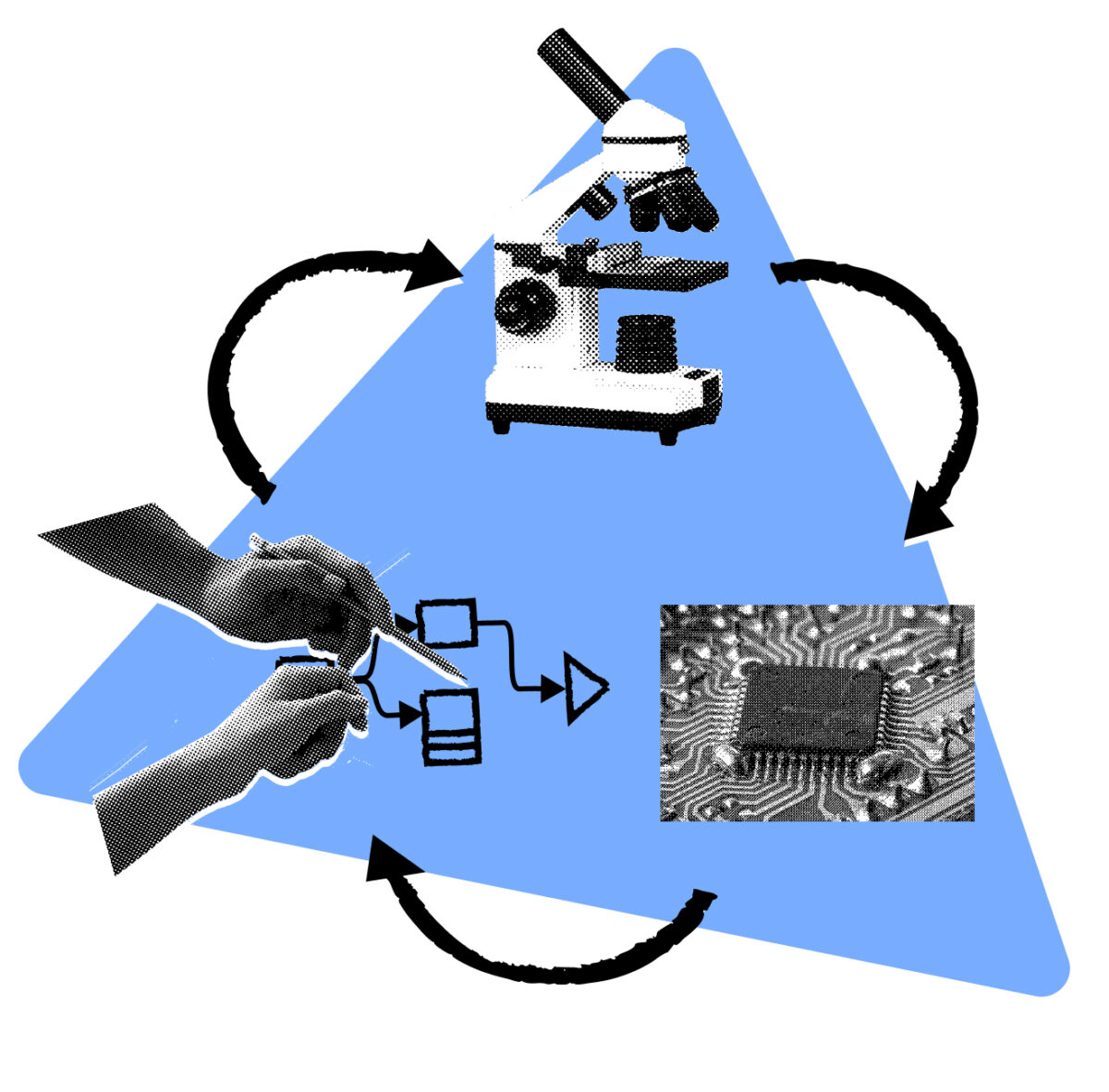
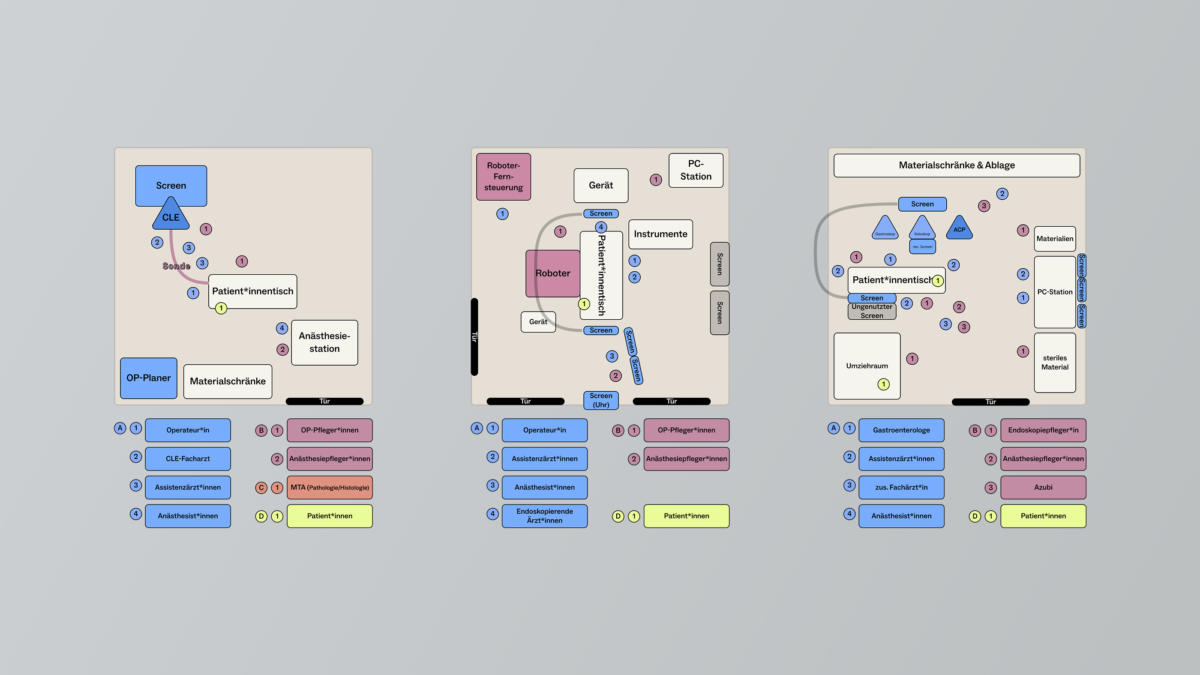
To integrate KLEVER into existing medical practice, we analyze surgical processes and decision-making in the operating room through observations, clinical shadowing, interviews and workshops with medical professionals. These insights form the basis for a structured analysis of user needs and the definition of system requirements.
Based on these requirements, we design interaction concepts that translate AI estimations into intuitive visual guidance. These concepts are developed into interactive prototypes and tested with clinicians in usability studies, allowing the system to be iteratively refined and integrated into the final prototype.
Designing innovation responsibly

New technologies reshape medical decision-making and raise important questions about responsibility, trust and patient well-being.
KITE integrates ethical, legal and social aspects (ELSA) systematically into the project and supports the consortium in reflecting on potential implications from an early stage. This contributes to the development of shared guidelines that ensure the responsible development and use of the technology.
Through this process, the consortium can identify ethical challenges early, make design decisions more transparent, and develop technology that improves clinical practice and patient care.
KITE Project Team
Marie Beuthel, Anne Wohlauf, Iva Karabatic, Filip Zigo, Janik Söllner